How to Prepare for a Fire Marshal Visit in Denver With Inspection Records and System Information Ready
If you manage or own a commercial building in Denver, a fire marshal visit tends to go one of two ways. The first is smooth, fast, and pretty uneventful. The second involves hunting through file cabinets, texting vendors for missing reports, and realizing halfway through the inspection that nobody knows where the last alarm test documentation ended up.
The difference is rarely the quality of the building alone. More often, it comes down to preparation.
In Denver, the Fire Code Official, the Fire Marshal, and the Denver Fire Department Fire Prevention Division are involved in enforcing fire code requirements and inspecting conditions such as hazards, disabled life safety systems, and false alarms. Commercial and institutional properties are generally inspected on an annual cycle, often about every 12 months. During those visits, inspectors may review exits, emergency lighting, fire-resistive separations, fire lanes, and the test records for fire safety systems. If they find issues, they can issue an order notice for correction.
That means your paperwork matters almost as much as the hardware on the walls and above the ceiling. A system that exists but cannot be documented properly can slow the visit down and raise avoidable questions. Good records do not replace a functioning fire protection setup, but they prove that the system has been cared for, tested, and kept in service.
For Denver properties, that preparation usually comes down to two things: inspection go here records and system information. Get those ready before the visit, and the whole process becomes more manageable.
What the fire marshal is trying to verify
It helps to understand the mindset behind the inspection. A Denver fire inspector is not there to admire your binders. They are trying to confirm that life safety features are present, accessible, and maintained, and that the building is operating in a way that matches code requirements and approved conditions.
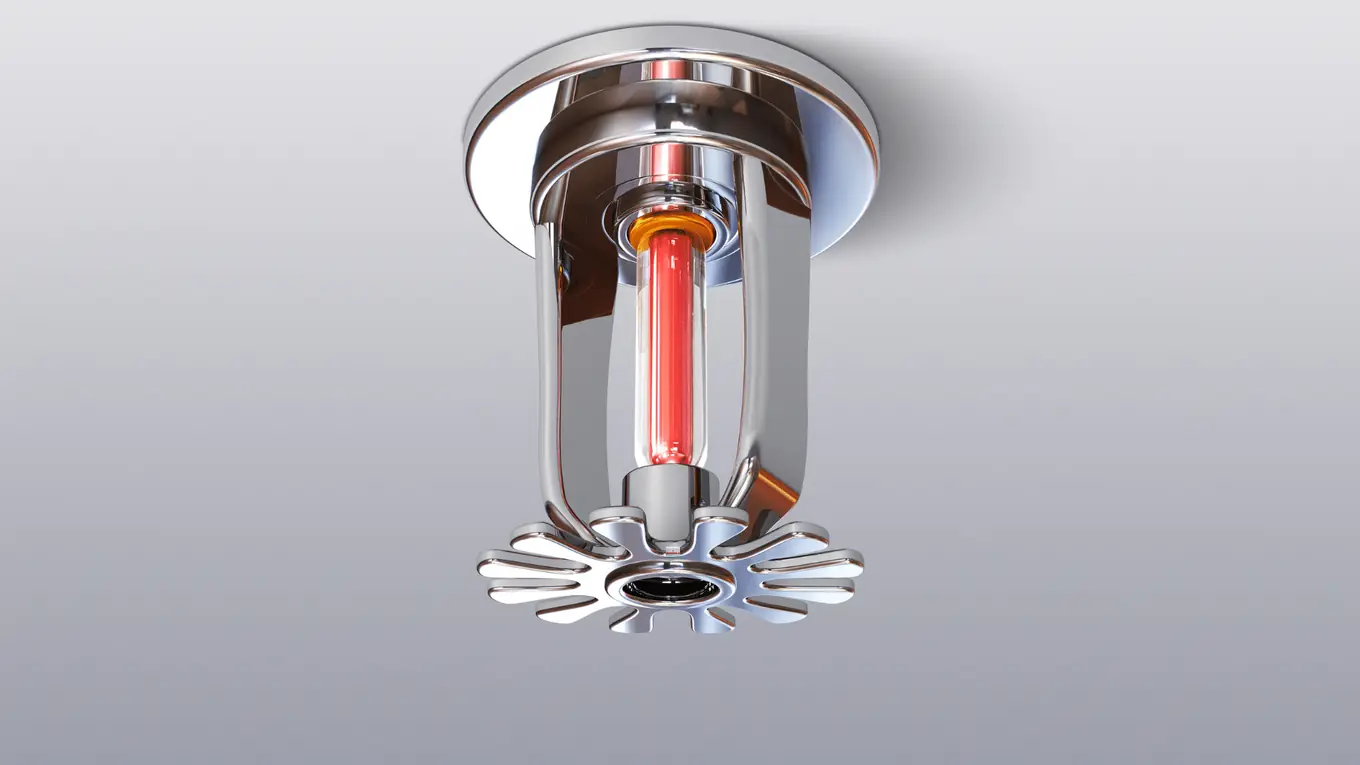
That broad purpose touches more than one system. If your building has alarms, sprinklers, fire pumps, extinguishers, suppression systems, or monitored components, the inspector may want to see evidence that these have been inspected, tested, or maintained in accordance with the applicable standards and permit history. For fire alarm systems, NFPA 72 is the national code that governs design, installation, inspection, testing, maintenance, and emergency communications systems. For water-based fire protection systems such as sprinklers, NFPA 25 covers inspection, testing, and maintenance.
In practice, that means a Denver inspection can become very document-driven. An inspector may look at the site conditions first, then ask for the records that support what they are seeing. If a riser room is clean and the sprinkler gauges look normal, that is good. If you can also immediately produce the latest reports tied to your fire sprinkler installation Denver service history, that is better.
Start with a single, building-specific record set
The biggest mistake I see is scattering records across too many places. Some are in a maintenance office, some live in an email thread with a vendor, some are with corporate, and some exist only as photos on a supervisor’s phone. That setup creates stress during inspections because even compliant buildings can appear disorganized.
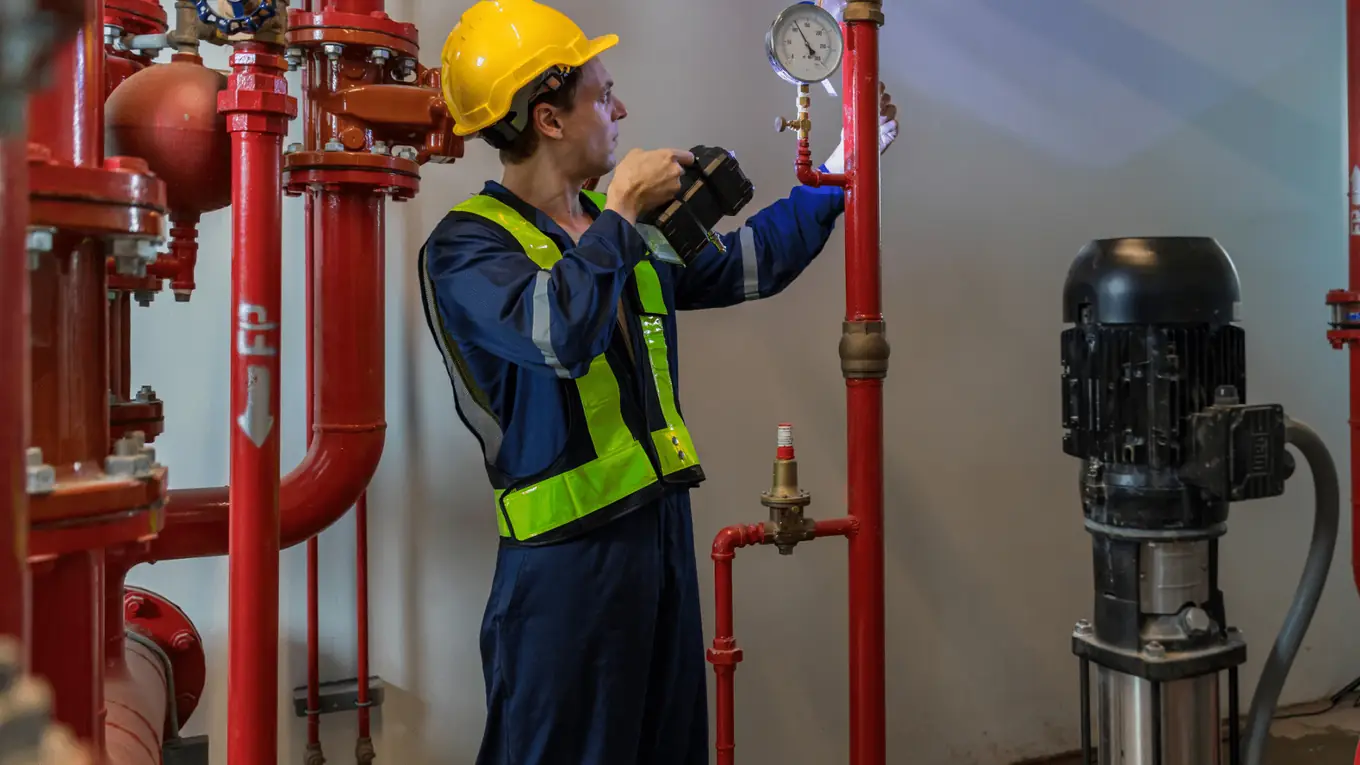
A better approach is to keep one building-specific record set, whether in a physical binder, a shared digital folder, or both. The point is not the format. The point is that whoever meets the inspector can pull everything together without delay.
For a Denver property, that record set should reflect the actual systems in the building and the companies that serviced them. If your site uses fire alarm monitoring Denver services, include the account details and recent reports related to monitoring or testing. If you have water-based systems, include the inspection and maintenance history tied to your sprinkler and related equipment. If the building uses kitchen, clean agent, or other special fire suppression systems Denver facilities sometimes require, those records should sit in the same master file.
This sounds simple, but it saves time because inspectors often move from one topic to another quickly. They may ask about a pull station, then about annual inspections, then about a permit history for a system change. A single organized set prevents that awkward stop-and-start rhythm that makes a routine visit feel harder than it should.
Know which records matter most
You do not need to drown the inspector in paper. You do need the records that show your systems have been inspected, tested, maintained, and, where applicable, approved.
For most commercial sites, the most useful records are the recent ones. The exact mix depends on the building, but the inspector is often looking for a practical trail that answers a few obvious questions. Is the system active? Has it been tested? Were deficiencies corrected? Were installations or modifications properly permitted and approved?
Those questions are especially important when the building has had recent work. In Denver, permits are required for most construction, alteration, or repair work on private property. The city has also adopted new 2025 Building and Fire Codes effective December 31, 2025, with some projects allowed to use either the 2025 or 2022 code set depending on the submittal date. That matters if your site is under renovation, recently completed a tenant finish, or changed any life safety components. If the work touched fire protection, permit and approval records should be easy to retrieve.
Colorado law also matters here. Installation, modification, alteration, or repair of fire suppression systems generally cannot start until required permits are obtained and the job has been registered, with working plans and hydraulic calculations reviewed and approved. If you had suppression work done, the paper trail should support that sequence. If it does not, the fire marshal visit is a rough time to discover the gap.
The records I would have ready before anyone arrives
If you want one practical pre-inspection checklist, this is the one worth using:
- Recent inspection, testing, and maintenance reports for each installed fire and life safety system
- Permit and approval records for any recent fire protection work, especially installations, modifications, or repairs
- Acceptance or sign-off documentation for fire alarm and fire protection permits where applicable
- Contact information for your service providers and the person authorized to answer building system questions
- A simple system inventory that matches what is actually in the building
That list is short on purpose. It covers the material that usually answers the first round of questions quickly.
The system inventory piece is often overlooked. It does not need to be fancy. It can be one page that says, in plain language, what the building has. For example, a monitored fire alarm system, a sprinkler system, portable extinguishers, perhaps a fire pump, and any specialized suppression equipment. If your site also requires backflow inspection Denver documentation because of the water supply arrangement tied to protection systems, include that in the same package so nobody has to guess whether it applies.
Fire alarm records deserve special attention
Alarm documentation tends to be one of the first things an inspector asks for because it ties directly to occupant notification and emergency response. If your building relies on fire alarm monitoring Denver service, be ready to identify who monitors the system and who services it. If the inspector asks about recent testing, your reports should reflect routine care consistent with NFPA 72 requirements for inspection, testing, and maintenance.
This does not mean you need to explain the code chapter by chapter. You just need to be able to show that the system has been maintained and that any deficiencies were addressed. If devices were added, replaced, or reprogrammed as part of a project, that is where permit and acceptance documentation becomes important. Denver’s process includes fire protection engineering review, and acceptance or approval is required before final sign-off of fire alarm and fire protection permits.
One of the most common slowdowns during an inspection is when a building had alarm work done, everyone assumes it was finalized, but nobody can produce the acceptance record. The system may be functioning perfectly, yet the administrative side remains incomplete. That is not a technical failure, but it can still become a problem.
For facilities trying to keep up with fire protection Denver expectations, this is a good reminder that service reports and permit records are not interchangeable. You need both when both apply.
Water-based systems create their own paper trail
Sprinkler systems generate a lot of useful documentation if they are maintained well, and almost no useful documentation if people have been casual about filing it. NFPA 25 sets the framework for inspection, testing, and maintenance of water-based fire protection systems, so your records should clearly show that those activities have been happening.
For a building with fire sprinkler installation Denver contractors have serviced over time, the fire marshal may want to see a recent record history that matches the actual system components in the building. If there is a riser, control valves, gauges, alarms associated with waterflow, or a fire pump, your documentation should line up with those assets.
Fire pump inspection Denver records deserve their own folder tab or digital subfolder because pumps draw extra attention when they are present. The same is true of backflow inspection Denver records if your property has a backflow prevention assembly tied to the fire service arrangement. Nothing about this has to be glamorous. It just has to be easy to retrieve.
I have seen inspections go sideways because the property team had the sprinkler reports but not the pump reports, or the pump reports but not the paperwork showing that a recent repair was closed out properly. When that happens, the conversation shifts from compliance to uncertainty. Inspectors do not like uncertainty, and honestly neither should building owners.
Extinguishers and specialty suppression systems are small until they are not
Portable extinguishers are easy to underestimate because they seem simple compared with an alarm panel or a sprinkler riser. Yet fire extinguisher inspections Denver properties rely on are part of the visible safety picture. If extinguishers are not where they belong, not current, or not documented properly, inspectors notice quickly because the issue is right in front of them.
The same goes for specialty suppression. A restaurant kitchen, industrial process, or protected room may have suppression equipment that is absolutely critical to safety but less familiar to general building staff. If your facility has fire suppression systems Denver inspectors may ask about, keep those reports in the main inspection file, not in a separate binder hidden in the engineering office. The person walking with the inspector should know the systems exist and know exactly where the records are stored.
This matters because specialty systems often trigger more follow-up questions than standard extinguishers do. If a suppression system was modified, was there a permit? Was the work approved? Who serviced it? How does it interact with the alarm system? A complete record set keeps those answers grounded.
Match the paperwork to the building you have today
Buildings change. Suites are reconfigured. Tenants move in and out. Equipment gets replaced. Panels get upgraded. Portions of a sprinkler system may be altered during a remodel. Over time, the records in your cabinet can start describing a building that no longer exists.
That mismatch causes trouble.
Before a fire marshal visit, walk the property and compare your records to reality. If the binder says the building has one configuration but the field conditions clearly show another, fix the record set before inspection day. This is especially important for sites that recently went through construction or are still wrapping up closeout documents.
Denver requires permits for most construction, alteration, or repair work on private property. If your recent project affected fire systems, make sure the permit history and final approvals are not still sitting with the contractor. Owners and property managers often assume the installing company has all of that on file, and they may, but that does not help much when the inspector is standing in your lobby asking you for it.
For anyone responsible for commercial fire protection Colorado properties depend on, this is one of the best habits to build: after every project, update the permanent building file right away.
Train the person who will walk with the inspector
A clean file is valuable, but it still helps to have the right person available during the visit. The ideal escort does not need to be a fire code expert. They do need to know the building, know where the records are, and know when to call the service provider or facility lead for backup.
I like to see one primary contact and one alternate. Vacations happen. Sick days happen. Fire marshal visits do not always line up neatly with your staffing plan.
Here is the practical standard I use. The escort should be able to explain what systems the building has, where the main equipment rooms are, whether any systems are impaired or recently repaired, and where the supporting documentation lives. If they cannot do that, the meeting starts with a disadvantage.
This is especially important when emergency fire protection Denver service has been needed recently. If there was a recent trouble condition, emergency repair, or temporary impairment, the person meeting the inspector should know what happened, what was fixed, and what records document the resolution. Ambiguity creates concern even when the issue has already been addressed.
Don’t ignore open deficiencies or temporary conditions
A surprising number of inspection headaches come from trying to explain away a known issue without supporting records. Maybe a device was out of service last month. Maybe a contractor identified a deficiency during testing. Maybe a valve issue was found and repaired. None of those situations is automatically catastrophic. What matters is whether the condition was documented and resolved appropriately.
If you have open deficiencies, do not bury them. Gather the service reports, repair proposals, and any follow-up documentation showing the status. If the issue has already been corrected, keep the proof with the original finding. That tells a much better story than pretending the problem never existed.
The same principle applies to code transitions and project timing. Since Denver’s 2025 Building and Fire Codes took effect December 31, 2025, and some projects may use either the 2025 or 2022 code set depending on submittal date, your project records should make it clear which path applied. You do not need a legal memo. You just need a clean administrative trail.
That kind of clarity supports smoother NFPA compliance inspections Colorado facilities often have to navigate, because it shows the building team is paying attention not just to maintenance, but to process.
Acceptance testing and final sign-off are not side notes
Some owners focus heavily on ongoing testing but overlook acceptance documents from the original installation or later system changes. In Denver, that can be a mistake. The city’s process includes fire protection engineering review, and acceptance or approval is required before final sign-off of fire alarm and fire protection permits.
That means if your building recently added devices, altered suppression piping, or completed any other fire protection project, final sign-off matters. If you are still waiting for it, know that status before the fire marshal visit. If it has already been granted, keep the documentation close at hand.
This is one of those areas where fire system certification Colorado stakeholders often talk past each other. A contractor may say the work is complete. A building manager may say the system is operating. An inspector may ask whether the acceptance and sign-off record is in the file. Those are related ideas, but they are not identical. The paperwork should bridge the gap.
A little pre-visit housekeeping goes a long way
The records are central, but the walk-through still matters. Before the inspection date, give the property a careful pass with fresh eyes. Denver’s annual inspections can include exits, emergency lighting, fire-resistive separations, fire lanes, and test records. If a storage cart is blocking a path of egress or a locked room holds your riser equipment and nobody can find the key, great documentation will not save the moment.
This is also the time to confirm that labels are legible, equipment rooms are accessible, and staff know how to reach any necessary vendors. If your site uses multiple providers for commercial fire protection Colorado compliance, alarm monitoring, sprinkler work, extinguishers, or pump service, make sure their contact information is current. Calling a disconnected number during an inspection is a small but avoidable embarrassment.
I would also make sure any scheduled special testing or after-hours coordination is clearly documented if it applies to your project. Denver materials note that system acceptance testing and permits may involve coordination with the Fire Department, and special inspections can occur outside normal business hours when needed. If your building is in the middle of one of those processes, your records should show it.
What a well-prepared visit feels like
A well-prepared fire marshal visit has a certain rhythm. The inspector asks a question, and someone answers it clearly. The inspector requests a report, and it appears within a minute. They want to see the alarm panel, the riser, the extinguishers, or the fire lane, and the escort takes them there without guessing.
That kind of visit does not happen by accident. It comes from keeping system information current, maintaining records as work is completed, and treating the fire inspection file as an active management tool instead of a pile of paperwork you touch once a year.
For Denver building owners and managers, that approach pays off in more ways than one. It helps with fire safety inspections Denver properties face regularly. It supports smoother conversations with service vendors. It reduces the chance of missing permit closeout details. And it gives you a much clearer picture of your own building’s life safety readiness.
If there is one practical lesson I would leave you with, it is this: do not wait until the fire marshal is in the parking lot to figure out what you have and where the records are. By then, you are not preparing anymore. You are reacting.
And reactive paperwork almost always looks worse than the building really is.